




Introduction
Across the UK and internationally, transport authorities have become increasingly aware of a fast-growing threat that undermines enforcement, distorts revenue collection, and erodes public safety: ghost plates. These are not the simple “dirty plates” of the past. Today’s evasion methods are engineered, commercialised, and in many environments, alarmingly normalised.
New operational analysis shows the scale of the problem is far greater than previously understood. On ordinary roads, between 2–5% of vehicles carry plates that ANPR cannot reliably read. Within road-charging and congestion zones, this spikes to around 25%. In one major international airport deployment, the figure rose to 40–55%, with roughly 60% of flagged vehicles identified as taxis. And of all vehicles detected with ghost or obscured plates, around 15% were also untaxed, without MOT, or unregistered.
These findings represent more than technical inconvenience, they expose a systemic challenge with consequences for enforcement integrity, revenue protection, safety, and public trust.
Ghost Plates: A Modern Evasion Industry
Ghost plates are no longer crude attempts to hide characters. They are the product of a growing illicit supply chain offering sprays, overlays, textured finishes, multi-layered “3D/4D” constructions, and non-standard materials engineered specifically to fool infrared-based ANPR systems.
To the human eye, most ghost plates appear completely normal. To many ANPR cameras, however, they are unreadable, particularly under IR illumination, where characters vanish, wash out, or distort.
This creates a new enforcement blind spot that offenders have learned to exploit, especially in high-incentive areas such as:
- airports
- road-charging zones
- clean air zones
- high-traffic taxi corridors
- port approaches and logistics hubs
Where revenue and regulatory avoidance opportunities exist, non-compliance follows.
A Wider Safety and Compliance Issue
The prevalence of ghost plates correlates strongly with other offences. Vehicles using manipulated or obscured plates are statistically more likely to be:
- untaxed
- uninsured
- without MOT
- driven by unlicensed operators
- associated with broader criminality
This overlap significantly increases risks to road users, pedestrians, and the public.
When enforcement cameras lose visibility, so does the entire system that supports safety and compliance.
Why Next-Generation ANPR Is Now Essential
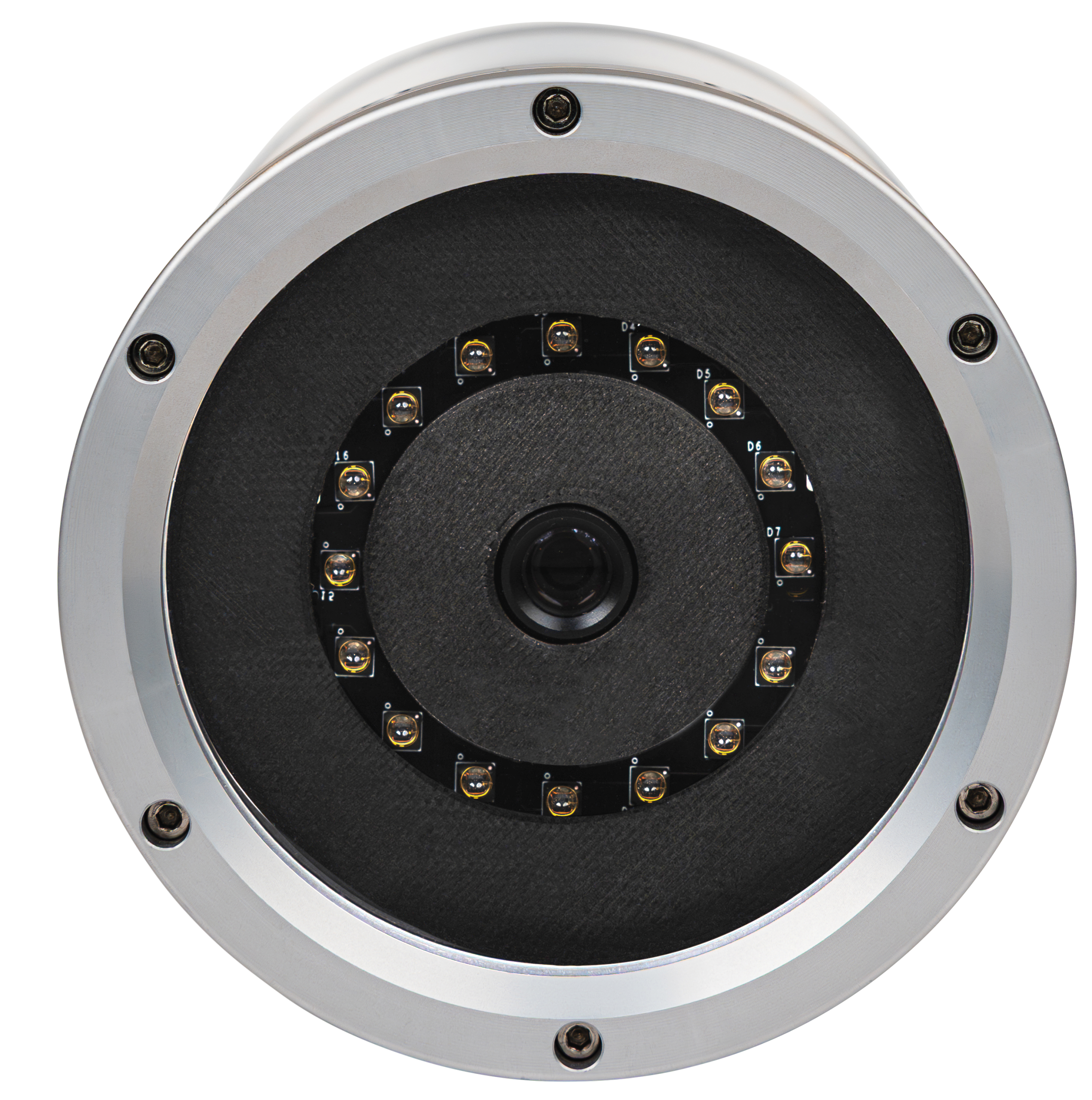
Addressing ghost plates requires technologies capable of detecting manipulation, not just reading plates. Next-generation ANPR platforms such as the MAV AiQ, which incorporates GhostPlate™ intelligence, demonstrate the characteristics that modern infrastructure now requires:
Dual-Channel Imaging
Simultaneous visible-light and infrared capture exposes inconsistencies that human observers cannot see.
AI + Deterministic Algorithms
On-device models compare RGB and IR signatures frame-by-frame, flagging systematic distortions caused by coatings, overlays, and non-compliant materials.
Multi-band IR Illumination
Blended wavelengths defeat single-frequency masking products and ensure 24/7 detection robustness.
Evidence-Grade Data
Multi-frame colour + IR capture, timestamps, geolocation and metadata provide a verifiable evidence package suitable for civil and criminal workflows.
These capabilities are not “nice to have”—they are becoming essential infrastructure for any authority relying on ANPR for safety, enforcement, charging, or security.
What Operational Deployments Reveal
- Live deployments illustrate the urgency:
- 40–55% ghost/obscured plates in a major airport environment
- 25% prevalence in charging/congestion zones
- 2–5% prevalence on typical roads
- 60% of flagged airport vehicles were taxis
- 15% of all flagged vehicles had additional regulatory breaches
These insights show that the problem is widespread, systemic, and closely tied to broader non-compliance. Crucially, the detections revealed previously invisible evasion—highlighting how much traditional ANPR systems have been missing.
Implications for Policy and Regulation
As ghost plates continue to proliferate, policymakers and regulators must keep pace. A coordinated approach could include:
National Prioritisation
Target airports, ports, congestion boundaries, and urban corridors for enhanced detection deployment.
Standardised Evidence Protocols
Ensure consistency through a national, multi-frame colour + IR evidence standard.
Supply-Chain Regulation
Introduce traceability and compliance certification for number-plate materials and manufacturing.
Enhanced Enforcement Frameworks
Streamline civil and criminal pathways to ensure penalties meaningfully deter evasion.
Intelligence Integration
Feed ghost-plate flags into national police systems to detect operator clusters and linked offences.
Continued Technology Investment
Support the development of adaptive AI and multi-band illumination to stay ahead of evolving evasion methods.
Targeted Outreach
Engage taxi/PHV fleets, logistics operators, and licensing bodies to address commercial misuse.
Why Action Is Urgent
Ghost plates undermine every system that depends on vehicle identity: safety enforcement, revenue protection, environmental charging, border controls, policing, and counter-terrorism. They create blind spots in an infrastructure that society increasingly relies upon.
Next-generation ANPR, such as the MAV AiQ platform with GhostPlate™ intelligence, offers a proven path toward restoring visibility, integrity, and operational confidence.
The trend is clear: ghost plates are no longer a niche problem—they are becoming a national vulnerability.
By recognising the scale of the issue and adopting advanced detection technologies, authorities can transform enforcement capability, recover lost revenue, and strengthen public safety.


