




Evolving Public Safety
Public safety is the foundation upon which thriving societies are built. When communities feel secure, businesses grow, opportunities expand, and people live without fear. Around the world, law-enforcement agencies play a central role in maintaining that stability—but their effectiveness increasingly depends on having access to the most capable technologies available.
For decades, tools such as body-worn cameras and CCTV systems have supported officers in preventing, detecting, and prosecuting crime. But as criminal tactics become more sophisticated and mobility networks become more complex, technology must advance in step. One of the most important areas of transformation is Automatic License Plate Recognition (ALPR), a technology that once provided simple plate identification but now has the potential to act as a powerful intelligence engine for global policing.
The challenge is that legacy ALPR systems have long struggled under real-world conditions. Low accuracy, poor performance in darkness or adverse weather, and an inability to detect altered, counterfeit, or “ghost” plates have limited their value. Criminals have learned how to exploit these weaknesses, using masking techniques that defeat inferior cameras and create blind spots in enforcement systems. Too often, these limitations prevented ALPR from being the force multiplier it should have been.
That era is ending.
A New Generation of ALPR: Intelligent, Adaptive, and Built for Real-World Policing
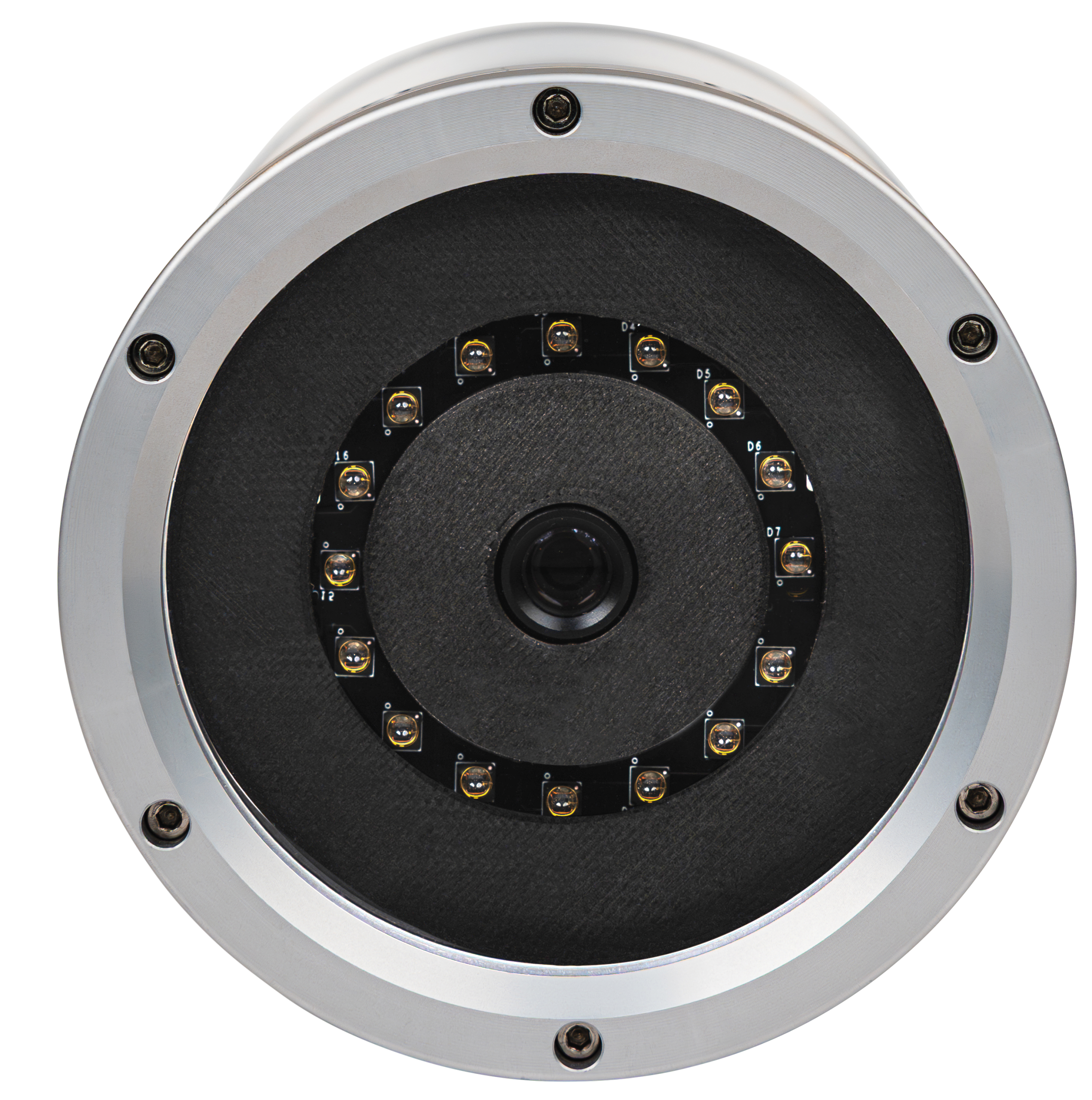
The emergence of next-generation systems—exemplified by platforms like the MAV AiQ, has fundamentally changed the role ALPR can play. Designed through extensive global research and operational analysis, these systems address the long-standing gaps that weakened earlier solutions.
Modern intelligent ALPR can now:
- capture full-colour and infrared imagery simultaneously
- extract accurate reads even in zero-light environments
- detect illegal, altered, masked, and ghost plates proactively
- track vehicle movement across cities, regions, and borders
- classify and count vehicles to support broader operational intelligence
- support multiple camera inputs on a single low-power edge platform
- deliver real-time alerts for high-priority crimes and offences
This evolution moves ALPR beyond plate recognition and into the realm of behavioural intelligence, enabling law-enforcement agencies to identify patterns, uncover anomalies, and act with greater speed and confidence.
Why Global Law Enforcement Needs This Shift
Across continents, police forces face similar pressures including the growing vehicle numbers, increasingly mobile criminal networks, identity fraud, regulatory evasion, and new avoidance techniques designed specifically to defeat camera-based systems. Add to that the rise of ghost plates, using reflective sprays, overlays, 3D/4D constructions, or counterfeit materials, which is now a global issue, not a localised one.
Advanced ALPR systems, such as the MAV AiQ, overcome these challenges by combining:
- AI-driven recognition – Learning from real-world conditions and continuously improving accuracy.
- Multi-channel imaging – Comparing visible-light and IR signatures to detect deliberate plate manipulation.
- Open-platform intelligence – Supporting additional sensors, data feeds, and enforcement modules without adding separate processors.
- High-integrity data streams – Providing evidence-grade information suitable for investigations, prosecutions, and cross-agency collaboration.
- Scalable deployment – From local patrol vehicles to state-wide and nationwide ALPR networks.
This is what global policing increasingly requires: technology that adapts to criminals, rather than the other way around.
Beyond Recognition: ALPR as a Strategic Safety Asset
The benefits extend far beyond identifying a vehicle. Intelligent ALPR supports:
- targeted enforcement of criminal traffic offences
- cross-border intelligence sharing
- smarter citywide traffic and safety planning
- real-time coordination during emergencies
- enhanced counter-terrorism and organised crime disruption
When an ALPR platform can track behaviour, detect irregularities, and integrate with wider policing systems, it becomes a strategic asset capable of reinforcing every aspect of public safety.
Open-platform systems like the MAV AiQ enable this by allowing future capabilities—new analytics, new behaviour detection models, new data integrations—to be added without major redesign. As avoidance methods evolve, software enhancements can keep officers ahead.
A Future Without Limits
Officers should not be constrained by outdated technology. Around the world, police forces increasingly recognise that limits should apply to offenders—not to the systems designed to protect communities from them.
Next-generation ALPR is breaking past those constraints. With intelligent processing, high-accuracy recognition, detection of illegal plates, and real-time actionable data, platforms like the MAV AiQ enable enforcement capabilities once thought impossible.
The goal is simple: provide law-enforcement agencies everywhere with limitless intelligence, so the only limits are those placed on criminal activity, not on the technology that helps stop it.
In the future of global policing, there should be no boundaries on safety—and no limits to ALPR intelligence.


